
Mary Queeenette Odumanye
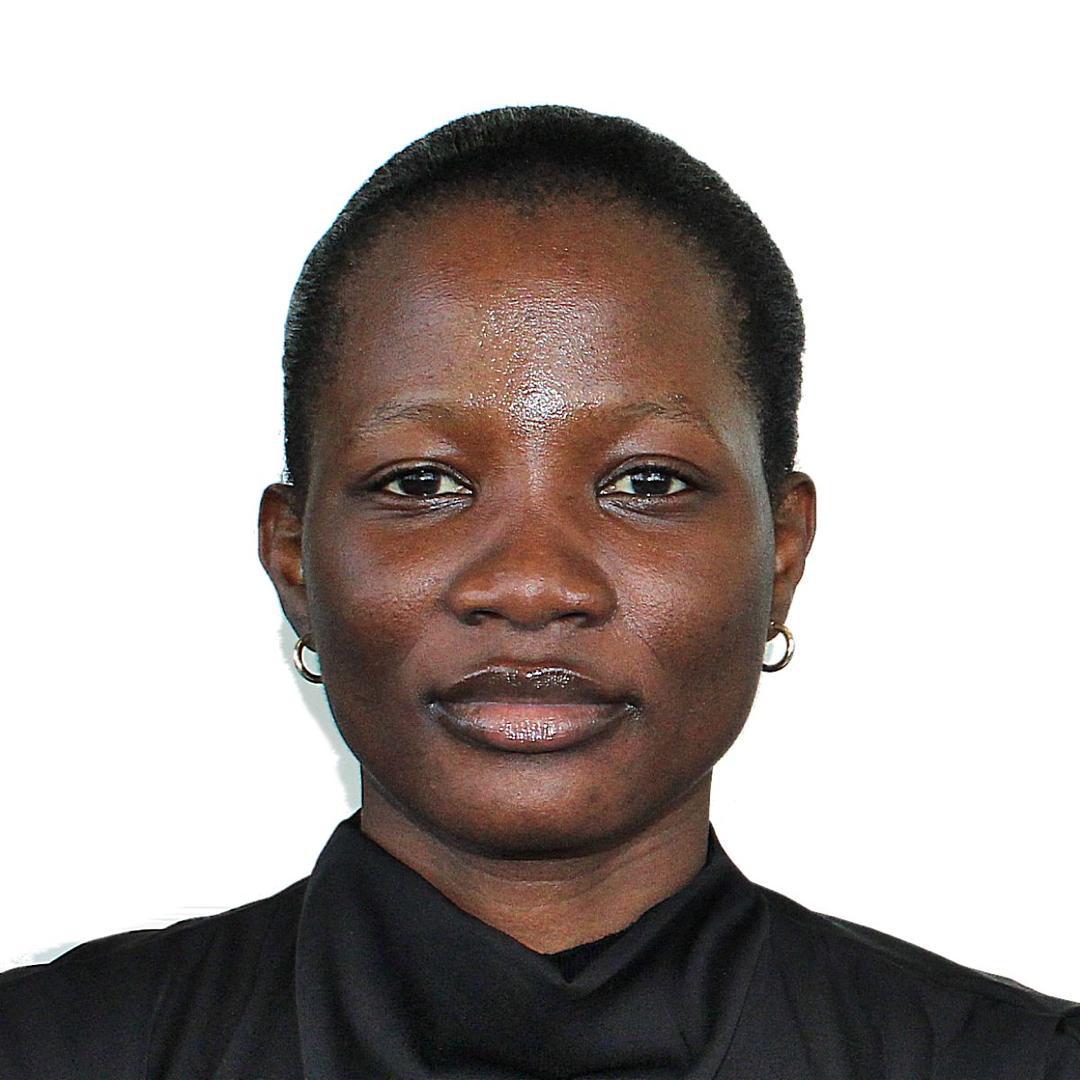

Mary Queeenette Odumanye
Energy Science and Engineering (ESE)
Odumanye is a Ph.D. student in Energy Science and Engineering at the University of Tennessee, Knoxville, focusing on nuclear security and nuclear systems. She holds an MPhil in Health Physics and Radiation Protection from the University of Ghana’s Graduate School of Nuclear and Allied Sciences and a BSc in Natural Resource Management from the University of Energy and Natural Resources, Ghana.
Her graduate research focused on environmental radioactive materials and the application of alpha spectrometry to the characterization of naturally occurring radioactive materials (NORMs).
Queenette has gained professional experience through internships and research-related roles, including with the International Atomic Energy Agency (IAEA), where she supported the Nuclear Security of Nuclear and Radioactive Material Transport Unit, and the African Center for Science and International Security (AFRICSIS). She has also worked with the Ghana Atomic Energy Commission’s Radiation Protection Institute on radiation and radon monitoring.
She is an IAEA Marie Skłodowska-Curie Fellowship Programme recipient and received the WiN Global Best Paper Award at the INMM Annual Meeting. Her research has been presented at the INMM Annual Meetings in Portland and Washington, DC, as well as at international workshops and conferences. She is also a member of the Institute of Nuclear Materials Management (INMM), the Women in Nuclear Global community, and the World Institute for Nuclear Security (WINS).
Research
Odumanye’s research focuses on nuclear security and nuclear energy systems, emphasizing the integration of nuclear security considerations into the planning and deployment of small modular reactors (SMRs). Her research explores how physical protection and nuclear safeguards requirements can be incorporated into the macro-siting and early-stage planning of SMR facilities.
She is particularly interested in developing analytical and geospatial approaches to identify suitable sites while considering security, safeguards, environmental, and infrastructure-related constraints.
Ultimately, her research aims to contribute to the safe, secure, and sustainable deployment of advanced nuclear energy systems.